


Touchless vs. Soft-Cloth Car Wash: Comprehensive Comparison for Optimal Vehicle Care

Updated: Sep 6

Selecting the appropriate car wash method is fundamental to preserving your vehicle’s appearance and finish. The choice between touchless and soft-cloth washes revolves around cleaning performance, operational convenience, and the potential for paint damage. This article outlines how each method works, their relative impact on paint safety, and the main considerations to inform your routine maintenance decisions.
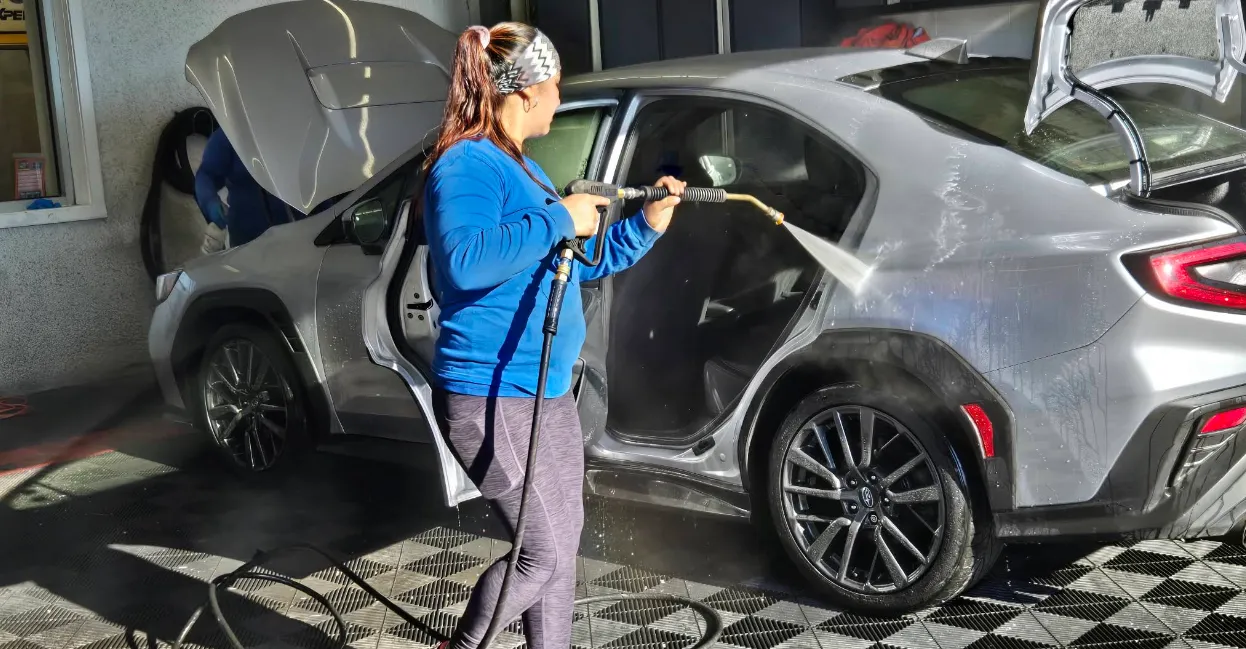
Touchless car washes clean vehicles using high-pressure water and detergents without physical contact.
Soft-cloth car washes use gentle fabric cloths that scrub surfaces, offering deeper cleaning but potential scratch risks.
Touchless washes minimize paint damage risks but may not remove stubborn contaminants like sap or bird droppings.
Soft-cloth washes effectively remove heavy grime and salt residues but require well-maintained cloths to avoid scratches.
Touchless car washes generally cost less and are quicker, suiting regular maintenance and busy schedules.
Soft-cloth washes tend to be more expensive and time-consuming but provide thorough cleaning for tough dirt.
Proper maintenance of car wash equipment is essential to prevent paint damage in both wash types.
Choosing between touchless and soft-cloth washes depends on cleaning needs, paint safety priorities, and local conditions.
Vehicle owners should avoid over-reliance on one method and consider regular washing to protect paint integrity.
Comparison of Touchless vs. Soft-Cloth Car Wash Methods
Both methods offer clear benefits and limitations. Touchless systems apply pressure and detergent to remove light contaminants while avoiding contact that can cause swirls or scratches. Soft-cloth systems use fabric to agitate and lift stubborn grime, delivering a more thorough clean when the materials and maintenance meet proper standards.
Effectiveness: Touchless washes excel in removing loose debris and contaminants without touching the car's surface, whereas soft-cloth washes can provide a more intimate clean but risk microscratches if the equipment is poorly maintained.
Cost: Touchless car washes typically range from $10 to $20 per wash, while soft-cloth services might cost slightly more, usually between $15 and $25 depending on the service level and location.
Convenience: Touchless washes are often quicker and designed for high-volume traffic, making them ideal for time-starved customers. Soft-cloth washes can take longer, particularly if additional services such as waxing are performed.
Your choice should reflect whether you prioritise deeper soil removal or limiting surface contact to reduce abrasion risk.
What Are the Key Differences Between Touchless and Soft-Cloth Car Wash Methods?
Clarifying these distinctions helps vehicle owners select the appropriate approach based on their priorities and local conditions.
Cleaning Mechanisms: Touchless car washes utilize high-pressure water jets and specially formulated detergents to remove grime without touching the surface of the vehicle. This makes it effective in combating dirt and protecting the paint from abrasions. In contrast, soft-cloth washes rely on the friction of the cloth against the vehicle, which can enhance cleaning power but may elevate the risk of surface damage if the cloths are not maintained properly.
Cost Differences: Generally, the pricing for these services fluctuates based on the area and the specific services rendered. Touchless washes often present a lower price point compared to soft-cloth washes, which may include more complex cleaning features.
Potential for Damage: One of the most significant considerations is the risk of vehicle damage. Touchless methods reduce the likelihood of scratches but might not remove all contaminants, depending on the type of dirt. Soft-cloth washes can effectively clean more stubborn grime, but if the cloths are dirty or worn, they can inadvertently cause scratches.
How Do Cleaning Mechanisms Differ: Water Pressure and Cloth Contact Explained

Touchless washes depend on targeted water pressure and formulated detergents to loosen and rinse away contaminants without brushes or cloths. This reduces mechanical abrasion but may require stronger chemical action to dissolve certain residues.
Soft-cloth washes use fabric to physically lift and remove soil. When cloths are clean and in good condition, this contact enhances removal of entrenched grime. If cloths carry grit or are degraded, that same contact can produce scratches or swirl marks.
Which Detergent Types Are Used in Each Car Wash Method?
Touchless systems commonly use higher-pH detergents that break down road film and organic residues; these products perform chemical cleaning where there is no mechanical contact. Soft-cloth systems typically employ lower-pH, milder detergents that are gentler on clear coats while still supporting mechanical soil removal.
Awareness of detergent type aids selection when paint preservation and longevity are priorities.
How Do Touchless and Soft-Cloth Car Washes Affect Vehicle Paint Safety?

Touchless washes lower the chance of surface marring by avoiding physical contact, which benefits vehicles with delicate finishes. They are less likely to create new scratches, though some stubborn contaminants may remain if the chemicals or dwell time are insufficient.
Soft-cloth washes can remove a wider range of deposits when performed with well-maintained materials. The principal risk arises when cloths or brushes are contaminated or worn, which can introduce abrasion during the wash cycle.
What Risks Do Soft Cloth Car Washes Pose for Paint Surface Integrity?
If cloths are not regularly inspected or replaced, they can trap particles that abrade paint during washing. Certain detergents left on the surface without thorough rinsing may also affect coatings over time.
Reviewing a facility’s maintenance practices and cloth-change schedules helps reduce the likelihood of damage and supports safer results.
Does the Touchless Car Wash Offer Superior Protection Against Scratches?
Because it avoids direct contact, the touchless method generally reduces the probability of scratch formation and swirl marks. This can be advantageous for owners who prioritise preserving clear coats.
That said, touchless washes may not match the deep-clean capacity of soft-cloth services for heavily soiled vehicles; in many cases a combination of methods yields the best overall outcome.
What Are the Cleaning Effectiveness and Limitations of Each Car Wash Type?
Touchless washes perform efficiently on loose dirt and light grime, making them suitable for routine maintenance. Their limitation is reduced mechanical action against embedded soils and road film.
Soft-cloth washes provide stronger mechanical cleaning, which is effective against stubborn deposits and salt residues. Their benefit depends on consistent upkeep of cloths and equipment to avoid surface damage.
In Which Situations Does a Soft Cloth Car Wash Provide Better Results?
Soft-cloth washes are preferable when a vehicle has accumulated heavy dirt, mud, or road salt that requires physical agitation to remove. They are appropriate for situations where a deeper clean is needed to restore finish appearance.
During seasons when corrosive residues such as road salts are common, soft-cloth cleaning can be effective at removing deposits that, if left, may accelerate corrosion.
What Common Mistakes Should Vehicle Owners Avoid When Choosing Car Wash Types?
Vehicle owners should avoid these frequent errors: relying exclusively on a single method without regard for conditions; selecting a service without assessing equipment and maintenance; and neglecting regular washes, which can allow contaminants to bond to paint.
Over-reliance on One Method: Assuming touchless washes are universally better can lead some to neglect their vehicle's needs. Understanding the limitations of each method helps in selecting a fitting wash for the occasion.
Ignoring Maintenance: Choosing a wash without considering the condition of the wash equipment can lead to unnecessary scratches and blemishes.
Neglecting Regular Care: Failing to wash the vehicle regularly increases the challenges of dirt removal, leading to potential paint damage over time.
Recognising and avoiding these mistakes will help preserve the vehicle finish and deliver more consistent cleaning results.
Is Assuming Soft Cloth Washes Are Always Safer a Misconception?
Believing that soft-cloth washes are inherently safer is inaccurate. While the fabric can be gentle, the condition of the cloths and proper maintenance determine whether the method is protective or damaging. Both wash types carry specific risks and benefits that must be managed.
How Can Incorrect Use of Touchless Car Wash Systems Affect Results?
Improper use, such as skipping a pre-rinse or mis-timing detergent application can leave particles on the surface or reduce chemical efficacy, which may compromise cleaning performance and increase abrasion risk when high-pressure water moves those particles across the paint.
How Do Cost and Convenience Influence the Choice Between Touchless and Soft-Cloth Car Washes?
Cost and speed often guide selection. Touchless washes are typically faster and less costly, making them suitable for routine upkeep. Their efficiency benefits customers with limited time.
Soft-cloth washes usually require more time and investment but can deliver a more thorough clean for vehicles with heavy soil. Weighing these factors against your maintenance objectives will determine the most appropriate choice.
Which Car Wash Option Is Recommended for Morris County NJ Vehicle Owners?
Local conditions and seasonal factors should guide selection for Morris County. In winter, soft-cloth cleaning can better address salt and grime; during drier periods, touchless washes offer a quicker option that reduces contact-related abrasion. Match the method to prevailing conditions and vehicle needs.
What Local Service Features Support Paint-Safe Car Wash Choices?
Choose services that demonstrate routine equipment maintenance, use appropriate detergent formulations, and follow clear cloth-change protocols. These operational practices support paint safety and reduce the risk of damage during washing.
How Do Regional Consumer Preferences Influence Car Wash Selection?
Locally, some owners prefer soft-cloth washes for perceived thoroughness, while others favour touchless systems for speed and reduced contact. Testing both approaches under your typical driving conditions will help identify the best fit.
Frequently Asked Questions
What are the advantages of touchless car washes over soft-cloth washes?
Touchless washes reduce mechanical contact and thus lower the chance of scratches and swirl marks. They are often faster and less expensive, which suits routine maintenance. Their limitation is reduced mechanical action against deeply bonded contaminants, which may require supplementary treatment.
How can I ensure that a soft-cloth car wash is safe for my vehicle?
Verify that the facility routinely inspects and replaces cloths, and that it employs appropriate detergents. Ask about maintenance schedules and observe whether equipment appears clean and well cared for; these practices minimise the risk of abrasion.
What should I consider when choosing a car wash in Morris County, NJ?
Consider seasonal conditions, typical road contaminants, and the facility’s maintenance record. In winter, choose services effective at removing salt; in milder conditions, prioritise operational practices that protect paint and finish.
Are there any specific detergents used for touchless car washes?
Touchless washes generally use higher-pH detergents formulated to break down road film and organic deposits without mechanical contact. Proper formulation and controlled application are important to avoid undue stress on clear coats.
Do touchless washes require any specific techniques for best results?
Yes. Pre-rinsing to remove loose particles and observing recommended detergent dwell times enhance chemical action. Following the facility’s usage guidance improves cleaning performance while protecting the finish.
How frequently should I wash my vehicle?
Frequency depends on exposure to pollutants and environmental conditions. A common guideline is every two weeks for general use; increase frequency if you encounter road salt, heavy pollution, or persistent contaminants to protect the finish.
Can soft-cloth washes remove stubborn contaminants effectively?
Soft-cloth systems can remove heavy dirt, road grime, and salt more effectively due to mechanical action. The outcome depends on the condition and cleanliness of the cloths; reputable facilities maintain their materials to avoid introducing scratches.
Conclusion
Selecting the appropriate wash method affects both appearance and long-term finish health. Understanding the trade-offs between touchless and soft-cloth systems allows you to choose based on cleaning needs, paint protection goals, and seasonal conditions.
A balanced approach that uses each method where it is strongest will deliver the most consistent protection and cleanliness. Review local service practices to identify providers that maintain equipment and use suitable detergents.

Comments