

Ceramic Coating vs Wax: Which Paint Protection Is Best for Your Vehicle?


Keeping your vehicle clean is only part of protecting your investment. Whether you drive a brand-new SUV, a family sedan, a work truck, or a weekend sports car, your vehicle's paint is constantly exposed to sunlight, rain, road salt, bird droppings, tree sap, bug splatter, and environmental contaminants.
Over time, these elements can dull your vehicle's finish, reduce its resale value, and make it more difficult to keep clean.
That's why many drivers ask one important question:
Should I choose ceramic coating or traditional car wax?
Both products are designed to protect your vehicle's paint, but they work in very different ways. Understanding their differences will help you make the right decision based on your driving habits, maintenance routine, and budget.
In this guide, we'll compare ceramic coating and wax side-by-side, explain their benefits and limitations, discuss costs and durability, and help you determine which option is best for your vehicle.
Why Paint Protection Matters
Your vehicle's clear coat is its first line of defense against the environment. Once that protective layer begins deteriorating, the paint underneath becomes vulnerable to:
UV fading
Oxidation
Water spots
Tree sap
Bird droppings
Acid rain
Road salt
Chemical contaminants
Brake dust
Dirt buildup
Proper paint protection reduces damage while making routine washing significantly easier.
What Is Ceramic Coating?
Ceramic coating is a liquid polymer applied to your vehicle's exterior. Once cured, it chemically bonds with the factory clear coat to create a durable protective layer.
Unlike wax, ceramic coating doesn't simply sit on top of the paint, it forms a semi-permanent bond that provides long-lasting protection.
Most professional ceramic coatings contain silicon dioxide (SiO₂), which creates a hard, hydrophobic surface that repels water, dirt, and contaminants.
Benefits of Ceramic Coating
Long-lasting protection
Exceptional gloss
Hydrophobic water beading
UV resistance
Chemical resistance
Easier vehicle washing
Reduced dirt adhesion
Helps maintain resale value
Although ceramic coating doesn't make your vehicle scratch-proof, it can reduce minor swirl marks caused by routine washing.
What Is Car Wax?
Car wax has been used for decades as a protective finish for automotive paint.
Traditional wax is made from natural carnauba wax or synthetic polymers.
Wax forms a thin sacrificial layer over the paint, helping protect it from dirt, moisture, and sunlight.
Unlike ceramic coating, wax gradually wears away through washing, weather exposure, and heat.
Benefits of Car Wax
Affordable
Easy to apply
Deep warm shine
Readily available
Great for older vehicles
Suitable for DIY enthusiasts
Wax remains popular because it's inexpensive and can dramatically improve a vehicle's appearance after application.
Ceramic Coating vs Wax: Side-by-Side Comparison
Feature | Ceramic Coating | Car Wax |
Protection Duration | 2–7+ years (depending on product and maintenance) | 1–3 months |
Paint Bond | Chemical bond | Surface layer only |
Water Beading | Excellent | Good |
UV Protection | Excellent | Moderate |
Chemical Resistance | High | Low |
Scratch Resistance | Moderate | Minimal |
Gloss | High-gloss reflective finish | Warm natural shine |
Washing Frequency | Less frequent | More frequent |
Dirt Repellency | Excellent | Moderate |
Maintenance | Low | High |
Cost | Higher upfront | Lower upfront |
Professional Installation | Recommended | Optional |
Cost Comparison
One of the biggest deciding factors is cost.
Wax
Professional waxing is generally one of the most affordable paint protection services.
Although prices vary by vehicle size and location, wax treatments typically cost significantly less than ceramic coating.
However, because wax wears off quickly, you'll likely need several applications each year.
Long-Term Wax Costs
If wax lasts approximately two months, you may need:
4–6 applications annually
Ongoing labor costs
Additional maintenance
Over several years, repeated waxing can become surprisingly expensive.
Ceramic Coating
Ceramic coating requires a larger upfront investment.
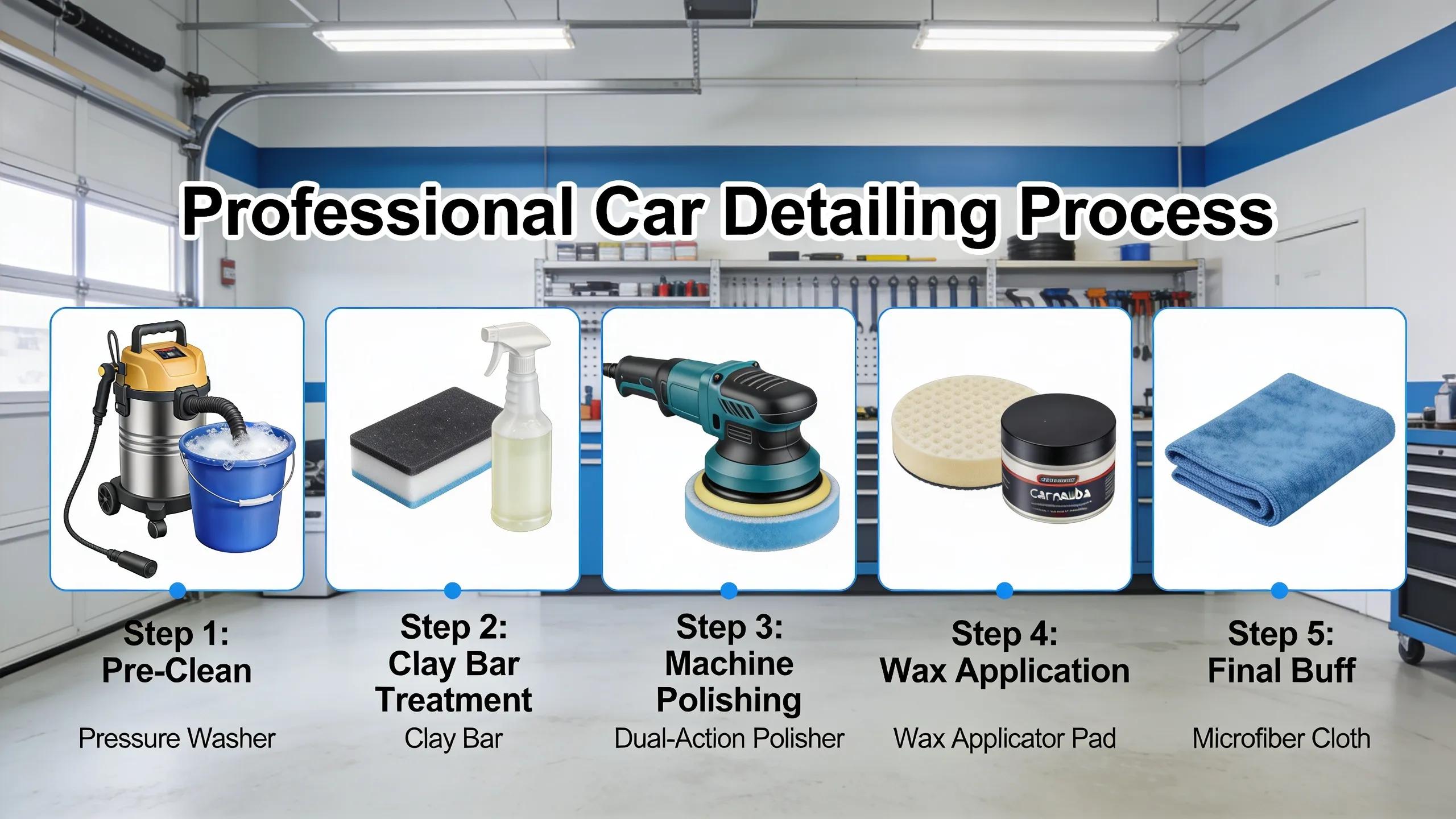
Professional installation usually includes:
Paint decontamination
Clay bar treatment
Paint correction (if needed)
Professional coating application
Proper curing process
Although the initial cost is higher, ceramic coating often provides years of protection, reducing ongoing maintenance expenses.
Durability Comparison
Durability is where ceramic coating clearly outperforms traditional wax.
Wax
Wax begins breaking down from:
Sunlight
Rain
Heat
Car washes
Road grime
Within weeks, the protective layer starts wearing away.
Eventually, water no longer beads effectively, indicating it's time for another application.
Ceramic Coating
Professional ceramic coatings are engineered for long-term performance.
They continue protecting your vehicle through:
Frequent washing
Hot summers
Snow
Rain
Salt exposure
UV rays
With proper maintenance, many coatings remain effective for several years.
Water Beading Performance
One of the easiest ways to evaluate paint protection is by watching how water behaves.
Wax
Fresh wax creates attractive water beads.
However, this effect fades fairly quickly as the wax deteriorates.
Ceramic Coating
Ceramic coating creates exceptional hydrophobic properties.
Water forms tight beads that roll off the surface with ease.
This provides several advantages:
Less water spotting
Faster drying
Cleaner paint
Reduced mineral deposits
Easier maintenance
Many vehicle owners notice their cars stay cleaner longer because dirt struggles to adhere to the slick coated surface.
UV Protection
Sun exposure is one of the biggest causes of paint damage.
UV rays gradually oxidize paint, causing fading and loss of gloss.
Wax
Wax provides some UV protection but loses effectiveness as it wears away.
Frequent reapplication is necessary.
Ceramic Coating
Ceramic coating offers significantly stronger UV resistance.
Because the coating lasts much longer, it continuously shields the paint from prolonged sun exposure.
This is particularly valuable for vehicles parked outdoors every day.
Winter Protection
Winter can be especially harsh on vehicle finishes.
Road salt, slush, freezing temperatures, and moisture all accelerate paint deterioration.
Wax During Winter
Wax offers temporary protection against winter contaminants.
However, snow, salt, and repeated washing quickly strip away the protective layer.
Ceramic Coating During Winter
Ceramic coating excels during winter because it resists:
Road salt
Brine
Ice melt chemicals
Mud
Snow
Dirt buildup
Since contaminants have a harder time bonding to the coated surface, winter washing becomes much easier.
Ease of Maintenance
Keeping your vehicle clean becomes significantly easier with proper paint protection.
Wax
Waxed vehicles still collect dirt relatively easily.
Frequent rewaxing is required to maintain protection.
Ceramic Coating
Ceramic coating dramatically simplifies maintenance.
Benefits include:
Dirt releases more easily
Less scrubbing required
Faster washing
Less frequent washing
Reduced drying time
Many owners notice their vehicles maintain a freshly washed appearance longer.
Appearance and Shine
Both options improve your vehicle's appearance, but they create different finishes.
Wax Finish
Wax provides:
Rich depth
Warm glow
Classic shine
Many enthusiasts appreciate the traditional appearance of high-quality carnauba wax.
Ceramic Coating Finish
Ceramic coating produces:
Deep gloss
Glass-like reflection
High clarity
Crisp mirror finish
The paint often appears richer and more vibrant.
Pros and Cons
Ceramic Coating
Pros
Long-lasting protection
Outstanding water repellency
Excellent UV protection
Easier washing
Superior chemical resistance
High-gloss finish
Better long-term value
Helps preserve resale value
Cons
Higher upfront cost
Professional installation recommended
Requires proper preparation
Does not make paint scratch-proof
Car Wax
Pros
Affordable
Easy to apply
Beautiful shine
Great for DIY maintenance
Readily available
Cons
Short lifespan
Frequent reapplication
Less chemical resistance
Lower durability
Limited winter performance
Who Should Choose Ceramic Coating?
Ceramic coating is an excellent choice if you:
Drive a newer vehicle
Want long-term paint protection
Plan to keep your vehicle for years
Park outdoors regularly
Prefer low-maintenance vehicle care
Want easier washing
Value resale value
Drive in harsh weather conditions
Professional ceramic coating is especially beneficial for commuters, families, luxury vehicles, trucks, SUVs, and anyone looking to reduce ongoing maintenance.
Who Should Choose Wax?
Wax remains a good option if you:
Prefer a lower upfront cost
Enjoy detailing your own vehicle
Don't mind regular maintenance
Store your vehicle indoors
Need short-term paint protection
Own an older vehicle where long-term coating may not be necessary
Frequently Asked Questions
Does ceramic coating eliminate the need to wash my car?
No. Ceramic coating makes washing much easier because dirt and water don't stick as readily, but regular washing is still essential to maintain your vehicle's appearance and protect the coating.
Can ceramic coating prevent scratches?
Ceramic coating helps resist minor swirl marks and light surface abrasions, but it does not prevent rock chips, deep scratches, or collision damage.
How long does ceramic coating last?
Depending on the product, installation quality, maintenance, and driving conditions, professional ceramic coatings can last several years.
How often should I wax my vehicle?
Most wax products should be reapplied every one to three months to maintain effective protection.
Can ceramic coating be applied to older vehicles?
Yes. Older vehicles can benefit greatly from ceramic coating, especially after paint correction to restore the finish before application.
Is ceramic coating worth the investment?
For many drivers, yes. While ceramic coating costs more initially, its durability, easier maintenance, and long-term protection often provide greater value over time compared to repeated waxing.
Why Hog Wash Recommends Ceramic Coating for Long-Term Protection
At Hog Wash Car Wash, we understand that every vehicle owner has different needs and budgets. Both wax and ceramic coating can enhance your vehicle's appearance, but they serve different purposes.
Wax is an excellent option for drivers looking for a quick shine and short-term protection at a lower cost.
However, if you're looking for long-lasting protection, easier maintenance, superior water beading, stronger UV resistance, and year-round defense against the elements, ceramic coating is the clear winner.
Our team is committed to helping customers choose the right paint protection solution based on how they drive, where they park, and how they care for their vehicles. Whether you're protecting a daily commuter, family SUV, luxury vehicle, or work truck, investing in professional paint protection can help preserve your vehicle's finish and value for years to come.
If you're unsure which option is right for your vehicle, stop by Hog Wash Car Wash. Our experienced team can evaluate your vehicle, explain your options, and recommend the best solution to keep your car looking its best in every season.
Final Thoughts
Choosing between ceramic coating and wax ultimately depends on your goals.
If you enjoy regular detailing and prefer a lower upfront investment, wax remains a practical choice for maintaining shine.
But if you want maximum durability, long-lasting gloss, easier maintenance, better weather protection, and greater long-term value, ceramic coating is the superior solution.
No matter which option you choose, protecting your vehicle's paint is one of the smartest ways to preserve its appearance, extend the life of its finish, and maintain its resale value. With the right protection and regular professional car care, your vehicle can continue looking cleaner, glossier, and better protected for years to come.
Comments